
Avoiding Disaster
What Will Forever Be Under Appreciated

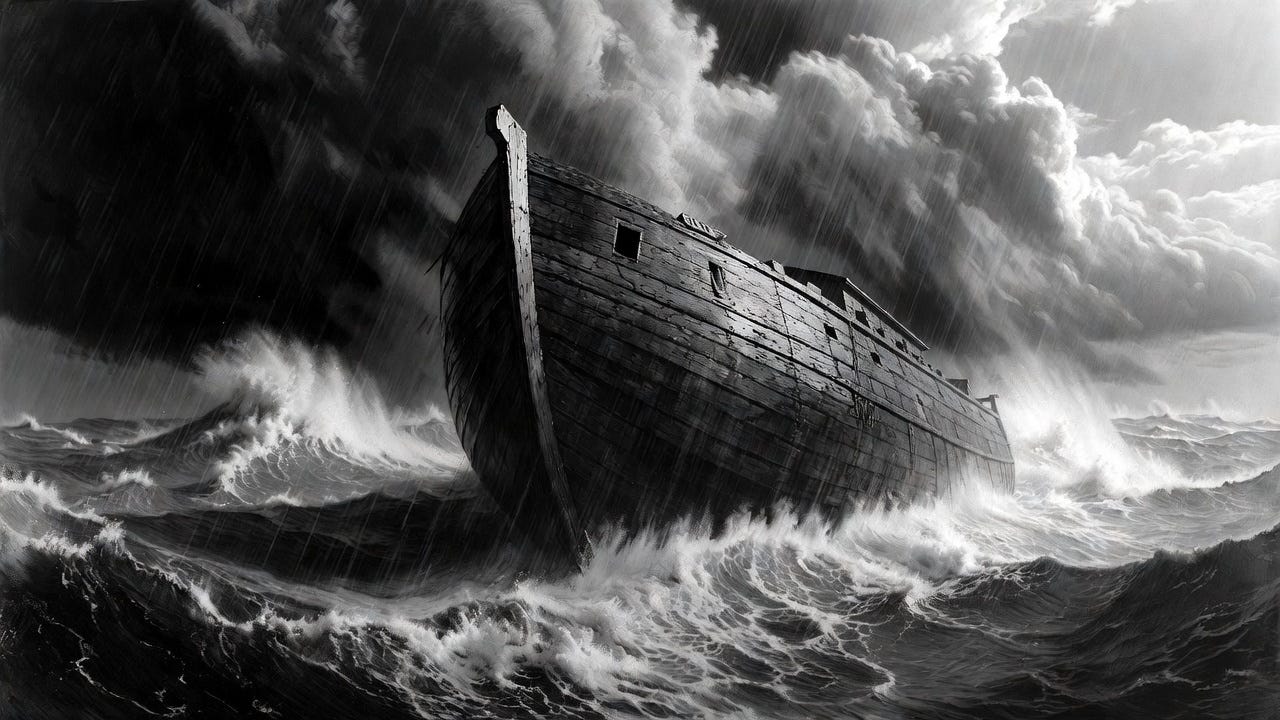
There is a kind of work that will forever be overlooked.
The work to avoid disaster.
Successfully avoiding disaster means the status quo staying the same. There are no losses (and no gains).
Since impact is often related to observable and verifiable output, the lack of net new progress from avoiding disaster makes its completion under appreciated.
This creates a conundrum around structured incentives and priorities when thinking about what to spend time on.
In an environment where moving fast is the default and there are an infinite amount of features, workflows, and designs to build, you can forever rationalize that there are more important things to do.
Those important things often have some tangible output: new features, happier users, expedited sales, etc.
Internally, there is a surge of dopamine from completing those important things. Without a doubt, progress is made; you and everyone else can see what you’ve done and you deserve the praise that comes with it.
As checkboxes get ticked, more will appear. They will never stop appearing. There will always be important things to do. They will appear as urgent, unable to be pushed back.
As this goes on, the unsexy work of avoiding disaster will never be done; you have no incentive to ever do them before disaster ever appears.
If you happen to start working on them, you will be questioned and doubted: why are you spending so much time on this when there’s bigger fish to fry?
And so, it languishes at the bottom of a forever expanding todo list, eventually being forgotten, so much so that the act of regaining context surrounding the work is a task unto itself.
Maybe your judgment in prioritization is right. The disaster never happens. Fair play.
But what if it does?
Then it’s your ass on the line.
What didn’t you do this sooner? Why did you do those other things first? Why are you so short sighted?
The world seems to 180. The evidence which garnered your praise is the exact evidence of why you are deficient.
The importance of tasks that avoid disaster only become apparent when disaster actually strikes. By then, the downstream repercussions are much more difficult to contain.
This concept of work that avoids disaster also applies to the everyday decisions.
When making decisions, we have this urge to improve our current lives; it’s easier to dream how great life can be than to genuinely believe how great life already is.
This reflects in how we often think of past decisions. We are tempted to believe that the grass is always greener on the other side.
What if I went to that other university? What if I took that other job? What if I moved to that city? What if I dated that person?
We think about what benefits that come with these alternative realities, dreaming they can improve our present existence.
Meanwhile, we rarely think about the disasters we’ve avoided through the decisions we already made.
The disasters that could’ve happened didn’t happen. And because they didn’t happen, they’re overlooked.
The status quo of our present lives are not aspired towards, since we don’t suffer the deficiency from disaster that creates upwards room for aspiration in the first place.
When choosing what to prioritize next or what decisions to make, it’s worth borrowing the wisdoms of Charlie Munger:
Invert, always invert.